The Data Behind Every Aching Back on a Job Site
If you pour concrete, frame walls, run conduit, or operate heavy equipment for a living, your spine is absorbing forces that federal science says exceed safe thresholds on a near-daily basis. BLS Musculoskeletal Disorders by Occupation data identifies the back as the single most commonly injured body part among U.S. workers who miss days from work—and construction consistently appears among the industries with the highest absolute and rate-adjusted MSD counts. This is not anecdote. This is a pattern documented by the federal Bureau of Labor Statistics across multiple survey cycles.
The downstream cost is staggering. AHRQ's Healthcare Cost and Utilization Project (HCUP) documents that a single workers' compensation lumbar strain claim averages $30,000–$60,000 in direct costs, depending on jurisdiction and severity. That number does not include lost wages, retraining costs, or the long-term healthcare burden that follows a worker who crosses from acute injury into chronic pain. AHRQ's Medical Expenditure Panel Survey (MEPS) data confirms that adults with chronic back conditions carry substantially higher annual personal healthcare expenditures than those without—a gap that compounds over a career.
The chronic-pain context is equally sobering. CDC NCHS Data Brief 390 estimates approximately 20% of U.S. adults experience chronic pain, with the back identified as the most common pain location in NHANES survey data. For construction workers specifically, that population-level figure almost certainly understates occupational exposure. And CDC arthritis and musculoskeletal surveillance data documents that roughly 1 in 4 U.S. adults reports doctor-diagnosed arthritis, with prevalence concentrated in high-physical-demand occupations—exactly the demographic reading this article.
The question is not whether construction work damages the spine. Federal data settled that. The question is what a working adult does about it, before it becomes a $50,000 workers' comp claim or a lifetime of CMS-documented opioid and non-opioid pain medication spending that now ranks among the most expensive Medicare drug categories in existence.
Why Construction Work Breaks Backs: The Biomechanical Mechanism
The federal model that explains occupational spinal loading is the NIOSH Lifting Equation, which establishes a Recommended Weight Limit (RWL) and a Lifting Index (LI) for manual material-handling tasks. A Lifting Index above 1.0 means the task exceeds safe limits for most workers. A score above 3.0 indicates that the vast majority of workers performing that task are at serious risk of lumbar injury.
Construction workers routinely perform tasks with Lifting Indices well above 1.0. Consider the physics: a framer carrying 80-pound lumber bundles from a delivery stack to a work area, bending and rotating repeatedly; a concrete finisher spending four to six hours in sustained lumbar flexion while screeding; a plumber working in confined crawl spaces that force asymmetric spinal loading with no ability to adopt neutral posture. The NIOSH equation was built to flag exactly these conditions. The fact that construction MSD rates remain high is not a failure of the science—it is confirmation that the science is accurate.
Cumulative loading is the more insidious mechanism. A single lift does not herniate a disc. What herniates discs—and degrades the annular fibers, facet cartilage, and supporting musculature that hold the lumbar spine together—is thousands of sub-maximal loads delivered over months and years without adequate recovery intervals. The intervertebral disc is largely avascular; it depends on cyclic loading and unloading (pumping nutrition via imbibition) to stay hydrated and mechanically competent. When the loading never stops and the unloading never happens—because an eight-hour shift ends and the worker lies on a flat mattress rather than actively decompressing—the disc degrades faster than biology can repair it.
Soft tissue compounds the problem. The paraspinal musculature—erector spinae, multifidus, quadratus lumborum—is under sustained isometric contraction during most construction tasks. Isometric contractions restrict local blood flow, produce metabolite accumulation (lactate, substance P, bradykinin), and create the chemical environment that drives delayed-onset muscle soreness and, over time, chronic myofascial pain. That burning, heavy ache a construction worker feels at 6 p.m. every day is not imaginary. It is a specific physiological state that structured recovery can address.
OSHA Severe Injury Reports document thousands of work-related hospitalizations annually concentrated in construction and adjacent industries—and those are the acute, dramatic events. The far larger burden is the slow accumulation documented in BLS SOII data: the sprains, strains, and overexertion events that do not make the severe injury log but erode a worker's functional capacity over a 30-year career.
Try These First: Free and Low-Cost Interventions That Actually Work
The cheapest intervention is the one that requires no purchase. Before a worker spends a dollar on any recovery equipment, there are evidence-based, federally-backed interventions that should be the foundation of any MSD management protocol. Skipping these and jumping straight to products is the pattern that keeps physical therapists employed and construction workers in pain.
Lifting mechanics matter more than recovery tools. OSHA's Materials Handling ergonomics guidance is unambiguous: lift with the legs, keep loads close to the body, avoid twisting under load, and stage materials so that lifts occur in the power zone (between mid-thigh and mid-chest). Most occupational back injuries are mechanical and preventable through technique training. A massage chair addresses the aftermath of poor mechanics—it does not prevent the injury caused by poor mechanics in the first place.
Thoracic mobility work daily. Construction workers who spend significant time in forward-flexed postures—and that is nearly every construction specialty—develop progressive thoracic kyphosis and anterior hip capsule tightening that shifts more load onto the lumbar segments. Two minutes of thoracic extension over a foam roller plus chin tucks daily begins to reverse this pattern. CDC physical activity guidance for adults recommends muscle-strengthening activities on two or more days per week; thoracic mobility work fits within that framework and costs nothing.
Micro-breaks every 30 minutes. This applies primarily to construction workers who also operate equipment, drive to sites, or spend time at a desk in a site trailer. NIOSH office ergonomics research demonstrates that 30-second micro-breaks every 30 minutes reduce musculoskeletal symptoms in workers who maintain sustained postures. For equipment operators, this means stepping out of the cab, standing fully upright, and rotating the thoracic spine before returning to the seat.
Workstation setup for the site trailer or home office. Many construction workers do administrative work at home or in a trailer—estimates, scheduling, permit applications. OSHA's Computer Workstation eTool documents the exact postural failures that cause cervical and upper thoracic pain in this context: monitor too low, chair height wrong, keyboard position that forces shoulder elevation. These are free fixes. Most chronic neck and shoulder pain in workers who mix physical labor with desk work is worsened—if not caused—by poor workstation ergonomics.
For workers who have already implemented lifting mechanics training, daily mobility work, and micro-break protocols and are still managing residual soft-tissue pain and cumulative fatigue—the conversation about recovery equipment is legitimate. A 4D mechanism massage chair, used consistently at the end of a shift, addresses the specific physiological mechanisms described above: paraspinal muscle metabolite clearance through mechanical compression and release, disc decompression through zero-gravity positioning, and parasympathetic nervous system activation that lowers cortisol and improves sleep quality. These are not marketing claims. They are documented physiological responses to massage-type mechanical stimulation, and they map directly onto what construction workers' bodies need.
When to See a Clinician First
Massage chairs and self-care protocols are appropriate for non-radicular muscle pain—the deep ache, stiffness, and fatigue pattern that most construction workers experience as baseline. They are not appropriate substitutes for clinical evaluation when specific warning signs are present.
NIH National Institute of Neurological Disorders and Stroke guidance on back pain is clear: seek immediate medical attention if back or neck pain radiates down a limb, is accompanied by numbness or tingling, follows significant trauma (a fall, a struck-by event, a motor vehicle incident on a job site), or is associated with fever or unexplained weight loss. These patterns suggest nerve root compression, fracture, infection, or neoplasm—conditions where a massage chair is contraindicated, not helpful. Construction workers who have experienced a OSHA-reportable severe injury event should be medically cleared before beginning any self-directed recovery protocol, including massage chair use.
The other clinical threshold is chronicity combined with functional loss. If back pain has persisted for more than 12 weeks, is worsening rather than plateauing, or is limiting a worker's ability to perform job tasks despite conservative management, that is a referral-warranted presentation. Occupational medicine physicians, physiatrists, and physical therapists who specialize in occupational MSDs can perform functional capacity evaluations, identify structural contributors that self-care cannot address, and coordinate workers' compensation documentation if needed. A $4,990 massage chair is not a substitute for that pathway—it is an adjunct to it.
Where Products Help: Matching 4D Mechanism Chairs to Construction Worker Physiology
For the construction worker who has done the work—proper lifting mechanics, daily mobility, clinical clearance if needed—and is looking for structured daily recovery infrastructure, the premium massage chair category has matured significantly. The key differentiation for this reader is not the marketing features list. It is whether the chair can deliver the mechanical inputs that address the specific injury pattern: lumbar paraspinal compression and release, thoracic mobilization, hip flexor lengthening via zero-gravity positioning, and sustained heat contact to vasodilate the posterior chain musculature.
4D mechanism is the specific technology threshold that matters here. 2D mechanisms move in two planes (up/down, left/right). 3D mechanisms add depth (protrusion into tissue). 4D mechanisms add variable speed and rhythm to that protrusion, allowing the roller to accelerate into a knot, dwell, and release—simulating the variable-pressure technique of a skilled manual therapist. For a worker with dense, chronically loaded paraspinal tissue, the difference between 3D and 4D contact is tactile and functionally significant.
SL-track rail geometry is the second critical specification. An L-track follows the spine from cervical to lumbar. An SL-track extends further, following the curvature under the gluteal region and into the upper hamstring origin—the exact tissue zone that is chronically compressed in workers who spend time in sustained hip flexion (operating equipment, driving, squatting to set forms). A construction worker buying a chair with only an L-track is leaving significant coverage on the table.
The Bodyfriend Phantom 2 is the premium Korean-engineered pick in this article at $4,990. Bodyfriend is the market leader in South Korea—a country with some of the highest per-capita massage chair penetration in the world, where the category is treated as medical equipment rather than luxury furniture. The Phantom 2 delivers a full 4D mechanism with an SL-track rail, multi-zone airbag compression covering the shoulders, arms, calves, and feet, and a zero-gravity recline system that unloads lumbar disc pressure by aligning the thighs above the heart. For a construction worker with dense posterior chain tissue who needs consistent, deep soft-tissue work every day without scheduling a massage appointment, the Phantom 2 is the engineering answer. It is not a cheap investment, but relative to a single AHRQ HCUP-documented workers' comp lumbar strain claim averaging $30,000–$60,000, the math changes.
For workers with a tighter budget or a preference for the Amazon purchasing ecosystem, the RELX Massage Chair Full Body at $1,899.99 delivers competitive 4D mechanism coverage at roughly 38% of the Phantom 2's price. RELX has built a credible position in the mid-market massage chair segment, with attention to shoulder airbag coverage and lumbar heating that addresses the two most common construction worker complaint zones. It is not Bodyfriend's engineering at the high end, but for a worker managing a realistic household budget who still needs daily lumbar recovery, it represents a meaningful step up from no structured recovery at all.
The HealthRelife 4D Massage Chair Full Body Zero Gravity Recliner with 55-inch SL-Track at $1,699.00 adds an important specification: the 55-inch SL-track length. For taller construction workers—and the trade workforce skews toward larger body frames—standard-length SL-tracks frequently fail to reach the gluteal and upper hamstring origin, rendering the lower-body coverage ineffective. The HealthRelife's extended track length specifically addresses this gap. At the lowest price point in this group, it sacrifices some airbag coverage refinement but delivers the track geometry that matters most for workers whose hip and glute tissue is as loaded as their lumbar spine.
4D Massage Chairs Built for Daily Construction Worker Recovery
These three chairs were selected specifically for their 4D mechanism depth, SL-track coverage, and zero-gravity decompression capability—the specifications that match construction workers' posterior chain and lumbar recovery needs.

Bodyfriend Phantom 2 Massage Chair
$4,990
See Price at Bodyfriend →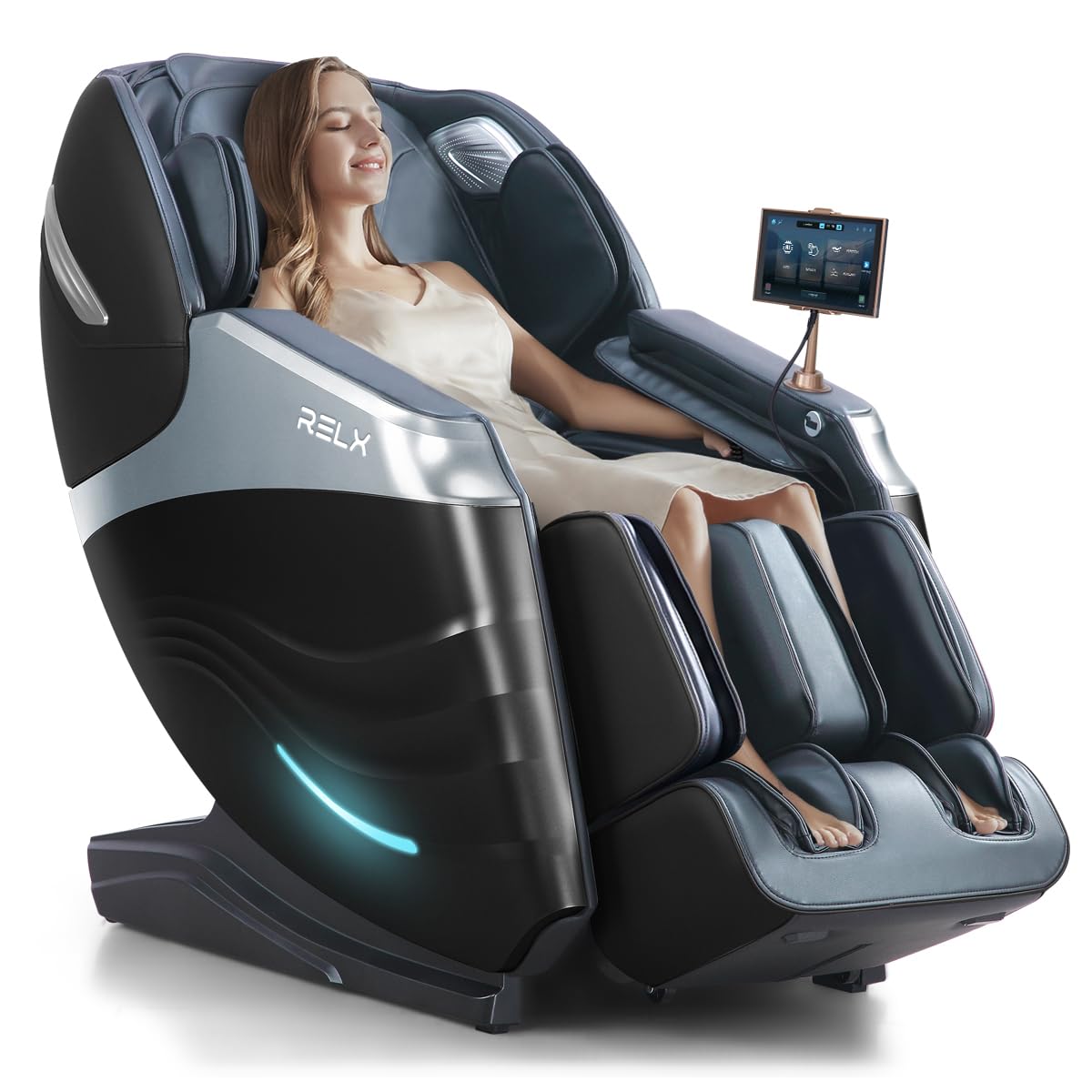
RELX Massage Chair Full Body, 20 Modes Zero Gravity SL-Track Shiatsu Massage ...
$1,899.99
Check Price on Amazon →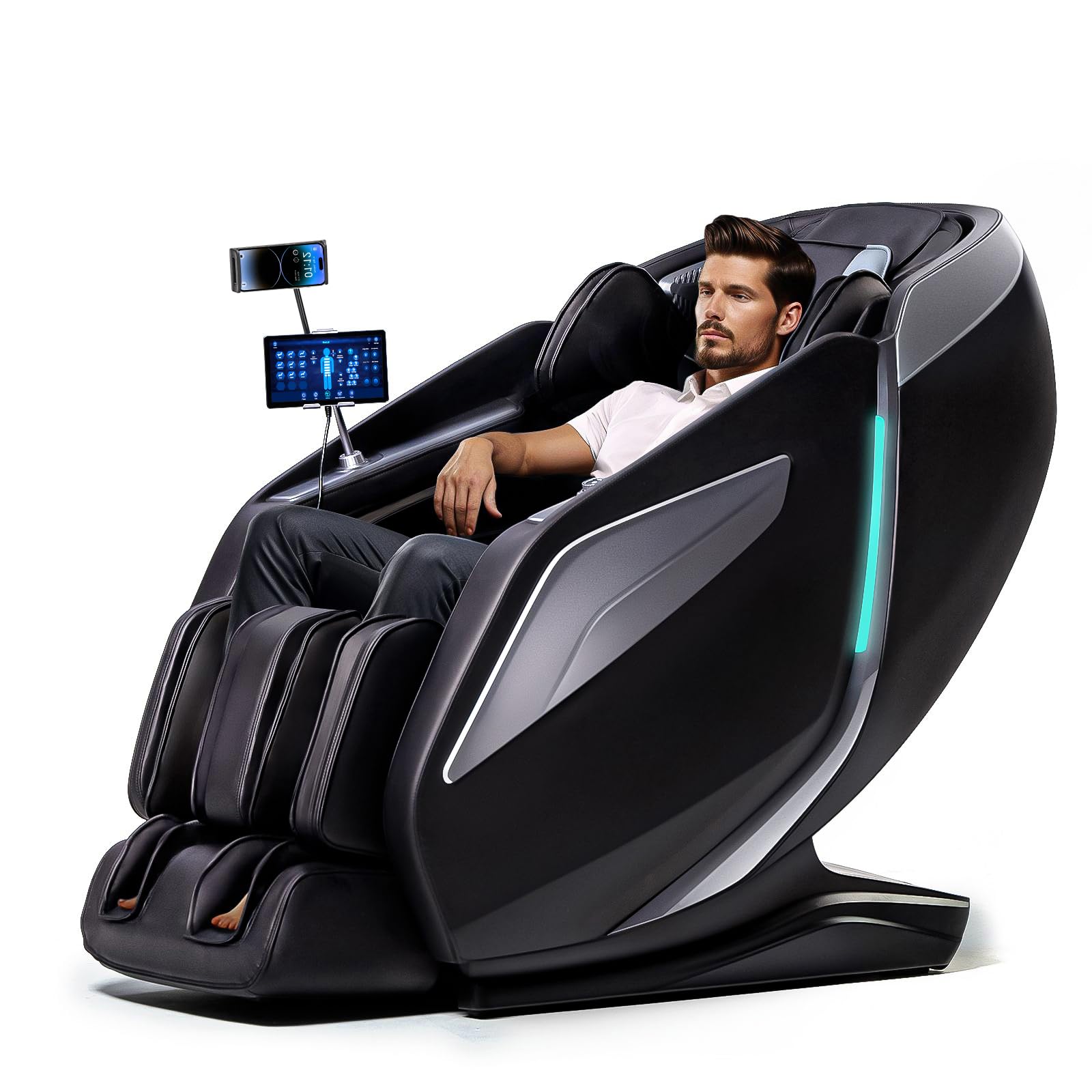
HealthRelife 4D Massage Chair Full Body Zero Gravity Recliner - 55“ SL-Track,...
$1,699.00
Check Price on Amazon →Making the Investment Case: Federal Data as a Financial Framework
The $1,699–$4,990 price range for these chairs will read as significant to most construction workers, and that reaction is financially rational. But the federal data provides a comparison framework that changes the calculus.
AHRQ MEPS data documents that adults with chronic back conditions carry substantially higher annual healthcare expenditures across their entire adult life—physical therapy copays, imaging, specialist visits, and pharmaceutical costs that accumulate quietly over decades. CMS drug spending dashboard data confirms that pain medication ranks among the most expensive Medicare drug categories—a downstream cost that begins with occupational exposure in high-demand industries and ends with federal healthcare spending at scale.
A massage chair at $4,990 amortized over five years is $83 per month—less than most workers spend on physical therapy copays during a single acute injury episode, and less than many spend on over-the-counter anti-inflammatory medication annually. The CDC's documented 1-in-4 arthritis prevalence concentrated in physically demanding occupations means the construction worker who avoids a massage chair today is statistically likely to be managing joint-related healthcare costs tomorrow.
The argument is not that a massage chair prevents injury. The NIOSH Lifting Equation does not include a column for "owns a massage chair." The argument is that construction workers who implement structured daily soft-tissue recovery—in addition to proper mechanics training and clinical care when warranted—are managing their musculoskeletal capital more deliberately than those who simply absorb the daily damage and hope the body repairs itself overnight.
Construction is a 30-year career for most workers who stay in the trade. Protecting the functional capacity of the spine across that career is an investment decision, not a luxury decision. Federal data makes the threat quantifiable. The products above make the recovery structured. The interventions described earlier in this article make the protocol complete.
Summary: Data-to-Intervention-to-Product
The hierarchy in this article is intentional and evidence-based. BLS documents the injury pattern. NIOSH explains the biomechanical mechanism. OSHA and CDC provide the free intervention protocols. AHRQ quantifies the cost of getting it wrong. NIH specifies when self-care is inappropriate and clinical care is required. And then—after all of that—premium massage chair technology addresses what is left: the daily soft-tissue recovery deficit that accumulates in a body doing construction work five days a week.
The Bodyfriend Phantom 2 at $4,990 is the engineering-first premium pick. The RELX at $1,899.99 and the HealthRelife 55-inch SL-Track at $1,699.00 bring 4D mechanism coverage to workers whose budget requires it. None of them replace lifting mechanics training, mobility work, or clinical care. All of them, used consistently, represent a more structured approach to recovery than the default, which for most construction workers is nothing at all.