The Data Behind the Ache You Feel Every Morning
If you are over 50 and waking up stiff, reaching for the ibuprofen before you reach for the coffee, you are not imagining things — and you are not alone. CDC arthritis surveillance data shows that approximately 1 in 4 U.S. adults reports doctor-diagnosed arthritis, a figure that climbs dramatically with age and with years spent in physically demanding occupations. Layer that on top of CDC NCHS Data Brief 390, which finds that roughly 20% of all U.S. adults live with chronic pain — with the back named as the single most common pain location — and you start to understand why the massage chair industry has grown into a multi-billion-dollar category aimed squarely at adults in the second half of life.
This is not a buying guide dressed up in statistics. It is an attempt to answer a serious question: when does a massage chair cross from luxury into legitimate chronic-pain management tool, and what does the federal evidence actually say about that line? The answer requires walking through the biomechanics of how bodies over 50 accumulate pain, the free interventions that should come before any purchase decision, the clinical red flags that require a physician before a massage chair, and only then — the specific chairs that earn a place in a data-informed recovery routine.
Why Bodies Over 50 Hurt Differently: The Federal Biomechanical Record
Chronic pain in older active adults is rarely the product of a single dramatic injury. It is the compounding interest of decades of mechanical loading. The NIOSH Lifting Equation, the federal government's primary biomechanical model for manual material handling, demonstrates that warehouse, construction, and logistics tasks routinely exceed safe spinal compression limits — but so do years of desk work with poor posture, recreational sport, and even caregiving. By the time a person reaches 50, most have accumulated what occupational health researchers call a "musculoskeletal load history."
BLS Musculoskeletal Disorders by Occupation data confirms the back as the most commonly injured body part across all U.S. occupations that result in days away from work. This is not just a warehouse problem. Office workers, healthcare aides, teachers, retail workers — every occupational category contributes to the population of adults over 50 who carry decades of accumulated spinal and joint stress into their retirement years or second careers.
Arthritis accelerates that picture. CDC's arthritis data documents higher arthritis prevalence in occupations with high physical demand — precisely the workers who are most likely to have also exceeded NIOSH-defined safe loading limits over their careers. The result is a population for whom pain is not episodic but systemic: multi-joint, daily, and resistant to the single-intervention solutions that worked at 35.
Healthcare costs reflect this reality with painful clarity. AHRQ MEPS data shows that average annual personal healthcare expenditures for adults with chronic back conditions substantially exceed those for adults without such conditions. And when occupational injury is involved, AHRQ HCUP data documents that a single workers' compensation lumbar strain claim averages $30,000 to $60,000 in direct costs depending on jurisdiction and severity — not counting lost wages, reduced productivity, or the downstream costs of chronic pain that follows acute injury. Against that economic backdrop, a $1,700–$5,000 massage chair starts to look less like indulgence and more like infrastructure.
But infrastructure works best when it is part of a system. A massage chair that substitutes for movement, clinical care, and biomechanical correction is money poorly spent. One that augments a sound recovery routine is a different proposition entirely.
The Physiology of What Massage Does (and Does Not Do)
Massage chairs work through several mechanisms that are particularly relevant for adults managing arthritis and chronic back pain. Mechanical compression and kneading of soft tissue increases local circulation, which is consistently impaired in chronically painful muscles. Rhythmic pressure stimulates mechanoreceptors — the sensory nerve endings that respond to touch and pressure — which can modulate pain signals through a gate-control mechanism first described by Melzack and Wall in 1965 and still foundational to pain neuroscience. Heat elements in modern chairs (nearly universal at the $1,700+ price point) promote vasodilation and reduce the perceived stiffness that is worst in the morning — a particularly relevant feature for arthritis patients, whose morning stiffness is a hallmark symptom.
What massage chairs do not do: they do not reverse joint degeneration, they do not replace physical therapy, and they do not address the biomechanical causes of chronic pain. The FDA 510(k) clearance process classifies many therapeutic massage devices as Class II medical devices — meaning they have demonstrated substantial equivalence to predicate devices for symptomatic relief — but Class II clearance is not an efficacy claim for disease modification. Adults over 50 shopping this category should understand that distinction clearly: these chairs are validated for symptom management, not cure.
With that framing in place, let's cover the interventions that cost nothing and should precede any equipment purchase.
Try These First — Free Interventions Backed by Federal Guidance
The cheapest intervention is the one that does not require buying anything. Federal agencies have published specific, evidence-based guidance for the exact conditions that drive adults over 50 toward massage chairs. Work through these before — or alongside — any chair purchase.
Daily thoracic mobility is perhaps the most overlooked intervention for adults with chronic upper and mid-back pain. Decades of seated, forward-flexed posture compress the thoracic spine and reduce its natural extension range. Two minutes of thoracic extensions over a foam roller, combined with chin tucks, can begin reversing that pattern. CDC physical activity guidelines for adults include muscle-strengthening activity on 2 or more days per week as a baseline — thoracic mobility work qualifies and costs nothing.
Micro-breaks every 30 minutes are supported by NIOSH office ergonomics research showing that 30-second micro-breaks reduce musculoskeletal symptoms in computer users. For adults over 50, the mechanism is straightforward: sustained postures in any position — including sitting in a massage chair — allow muscles to fatigue and joints to stiffen. Movement is medicine; massage supports movement, not the other way around.
Workstation setup is responsible for a disproportionate share of chronic neck and shoulder pain in adults who spent careers at desks. OSHA's Computer Workstation eTool documents monitor height, elbow angle, and foot position as the key variables. Many adults who report chronic neck pain have never had an ergonomic assessment. Correcting screen height alone has resolved symptoms in adults who spent years seeking other solutions.
Lifting mechanics remain relevant for adults over 50 who are still physically active — whether at work, in the garden, or caring for grandchildren. OSHA's ergonomics guidance for workers is specific: lift with the legs, keep loads close to the body, avoid twisting under load. Most occupational back injuries are mechanical and preventable. The same mechanics apply to recreational loading.
Clinical assessment for red flags is the intervention that supersedes all others. NIH's National Institute of Neurological Disorders and Stroke is explicit: massage and self-care are appropriate for non-radicular muscle pain only. Before using any massage device — chair or otherwise — adults with symptoms below the knee, numbness, weakness, or pain following trauma must be evaluated by a clinician.
For adults who have worked through the above — who have seen a physiatrist or physical therapist, corrected their workstation, addressed their movement patterns, and are looking for a daily recovery tool to extend the benefit of those interventions — a massage chair is a defensible investment. The three chairs below represent the clearest evidence-of-value options for adults over 50 managing arthritis and chronic back pain.
When to See a Clinician: Red Flags That Override Any Purchase Decision
Before this article transitions to specific product recommendations, it is worth being direct about the clinical boundaries of massage chair therapy. These chairs are tools for symptom management in people with established, diagnosed musculoskeletal conditions — not diagnostic tools, and not substitutes for clinical evaluation of new or changing symptoms.
NIH NINDS guidance on back pain identifies specific red flags that require immediate clinical attention: pain that radiates down a limb (suggesting nerve root compression or disc herniation), pain accompanied by weakness or numbness in the legs, pain following trauma, and pain accompanied by fever, unexplained weight loss, or bladder and bowel changes. Any of these symptoms in an adult over 50 warrants physician evaluation — not a massage chair session. Spinal stenosis, which becomes more prevalent with age, can produce symptoms that initially resemble muscle pain but involve neural compression that massage cannot address and could theoretically worsen if the underlying pathology is not understood.
CDC arthritis data also notes that arthritis encompasses dozens of distinct conditions, from osteoarthritis (the wear-and-tear form most common in adults over 50) to rheumatoid arthritis (an autoimmune condition) and gout. Massage is appropriate for some of these and contraindicated during acute flares of others. Adults who have not had their joint pain formally diagnosed should do so before making any home therapy investment. A rheumatologist or physiatrist can not only clarify the diagnosis but can advise on appropriate massage parameters — pressure, duration, frequency — that a chair's programming should match.
Where Products Fit: Three Chairs for the Over-50 Recovery Stack
With mechanism established, free interventions documented, and clinical red flags covered, the case for a massage chair as a recovery adjunct is straightforward for the right adult. The following three chairs were selected based on their feature sets relative to the biomechanical needs of adults over 50 managing arthritis and chronic back pain: SL-track coverage (which follows the lumbar and hip curve rather than stopping at the waist), heat therapy, zero-gravity positioning (which decompresses the lumbar spine by redistributing body weight), and sufficient programming depth to target specific symptom patterns.
Bodyfriend Phantom 2 — Korean Medical Engineering for Daily Arthritis Management
The Bodyfriend Phantom 2 represents the clearest example of massage chair design informed by clinical use cases rather than consumer marketing. Bodyfriend is the dominant player in the South Korean medical massage chair market — a market where chairs are routinely prescribed by physicians and dispensed through health insurance channels — and the Phantom 2 brings that engineering philosophy to the U.S. market at $4,990.
For adults over 50 managing arthritis, the Phantom 2's distinguishing features are its AI body scanning system, which maps the user's spinal curvature before each session and adjusts roller positioning accordingly, and its 3D roller mechanism that modulates pressure depth rather than applying uniform force. This matters biomechanically: arthritic joints and the surrounding soft tissue are not uniformly sensitive, and a chair that cannot vary its pressure profile risks causing discomfort in inflamed areas while under-serving areas that need deeper work. The chair's zero-gravity recline positions the knees above the heart — a posture that reduces lumbar disc pressure and is specifically beneficial for adults with lumbar osteoarthritis or degenerative disc disease. Heat therapy covers the lumbar region with adjustable intensity.
At $4,990, the Phantom 2 is a significant capital expenditure. But frame it against AHRQ HCUP data on lumbar strain treatment costs — $30,000 to $60,000 per workers' compensation claim — and against AHRQ MEPS data showing substantially elevated annual healthcare costs for adults with chronic back conditions, and the math for a daily-use therapeutic tool begins to work. If the Phantom 2 reduces the frequency of flares requiring clinical intervention by even a modest margin, the chair pays for itself within a few years for high-utilization patients.
RELX Massage Chair Full Body — Accessible Full-Featured Recovery at $1,899
The RELX Massage Chair Full Body at $1,899.99 occupies the middle of this category's price range while delivering the feature set that matters most for older adults: SL-track roller coverage that follows the spine from the cervical region through the glutes and upper hamstrings, zero-gravity recline, and multiple massage modalities (kneading, tapping, shiatsu, and rolling). The SL-track design is particularly important for adults with hip flexor tightness or piriformis involvement — common in former athletes and in workers who spent careers alternating between seated and standing postures.
For adults who are new to massage chairs or who are managing moderate rather than severe arthritis symptoms, the RELX provides a high-value entry point into daily recovery. Its heat function covers the lumbar region and the calf sections. Its body scan function, while not as sophisticated as the Phantom 2's AI-driven system, provides adequate customization for most users. The Amazon purchase channel provides familiar buyer protections and return logistics — a practical consideration for a large piece of home fitness equipment.
HealthRelife 4D Massage Chair — SL-Track Value Entry at $1,699
The HealthRelife 4D Massage Chair Full Body Zero Gravity Recliner at $1,699 is the budget entry in this comparison but offers a specification that justifies attention from adults with arthritis: 4D roller technology, which adds forward-and-back roller movement to the standard three-axis pattern. This creates a more varied pressure profile that more closely mimics the hand movements of a trained massage therapist — relevant for adults whose chronic pain involves myofascial restriction as well as joint inflammation.
The 55-inch SL-track coverage extends into the glute and hamstring region, addressing the posterior chain tightness that is almost universal in adults over 50 who have spent decades in forward-flexed postures. Zero-gravity positioning is included at this price point, which is notable. For adults on fixed incomes or for those who want to test daily massage chair use before committing to a premium model, the HealthRelife provides the core therapeutic feature set without the premium engineering of the Phantom 2.
Massage Chairs Built for Adults Over 50 Managing Arthritis and Chronic Back Pain
These three chairs were selected for their SL-track coverage, zero-gravity positioning, and heat therapy — the feature set most relevant for adults over 50 managing doctor-diagnosed arthritis or chronic back pain as validated by CDC prevalence data.

Bodyfriend Phantom 2 Massage Chair
$4,990
See Price at Bodyfriend →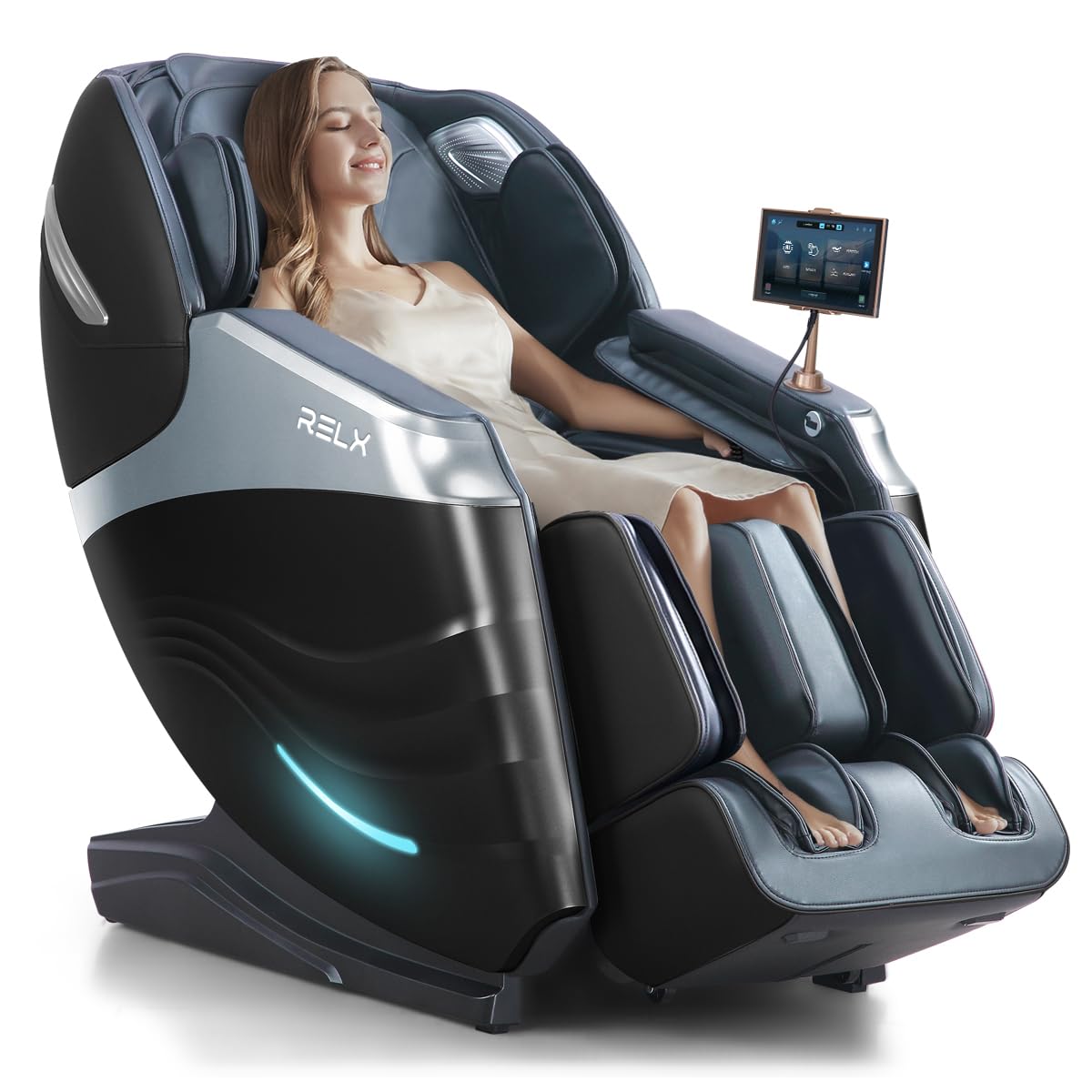
RELX Massage Chair Full Body, 20 Modes Zero Gravity SL-Track Shiatsu Massage ...
$1,899.99
Check Price on Amazon →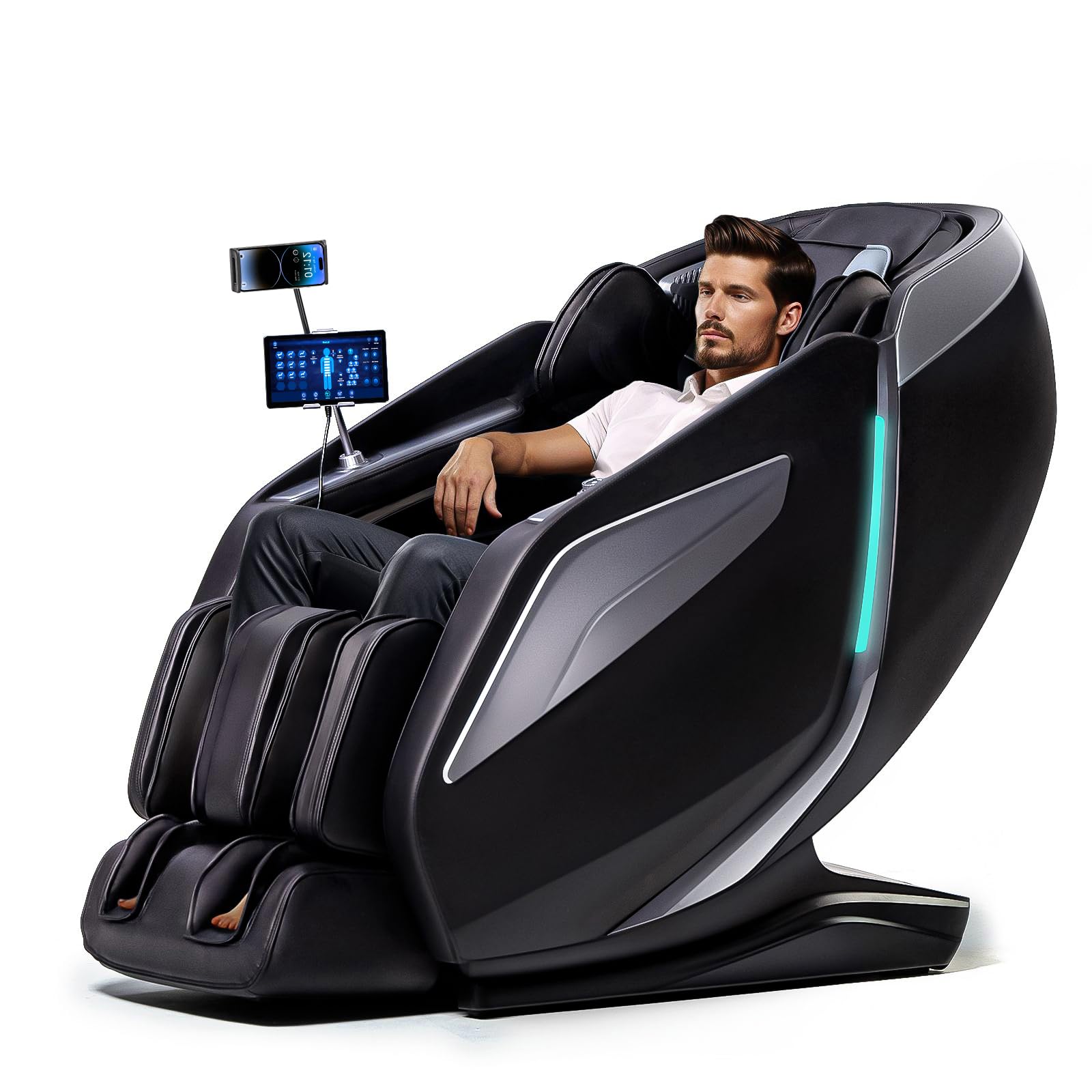
HealthRelife 4D Massage Chair Full Body Zero Gravity Recliner - 55“ SL-Track,...
$1,699.00
Check Price on Amazon →Putting the Evidence Together: A Decision Framework for Adults Over 50
The federal data tells a consistent story. CDC data documents that arthritis affects 1 in 4 U.S. adults, with prevalence rising sharply after 50. CDC NCHS Data Brief 390 identifies chronic back pain as the most prevalent chronic pain condition in the U.S. adult population. AHRQ cost data shows that these conditions are expensive to manage through the healthcare system. And FDA regulatory classification distinguishes therapeutic massage devices from consumer novelties by placing many in the Class II medical device category.
What the data does not say is that a massage chair is a first-line intervention. It is a third-line tool — after free movement and ergonomic interventions, and after clinical evaluation has ruled out the red-flag conditions that require physician management. Adults who use it in that sequence, as part of a deliberate recovery stack, are the ones for whom the investment makes sense.
For those adults, the hierarchy is clear: Bodyfriend Phantom 2 for daily intensive use with complex arthritis patterns and significant chronic pain load; RELX for accessible full-featured recovery at roughly 60% of the premium price; and HealthRelife for value-conscious adults who need the core therapeutic features without the engineering premium. All three support the daily symptom management routine that CDC chronic pain data shows the majority of adults over 50 are actively managing — they just do it at different price points and with different levels of clinical sophistication.
Start with the free interventions. Get the clinical clearance. Then, if your recovery stack has a gap that daily soft-tissue work would fill, choose the chair that fits your budget and your symptom profile. That is the decision the federal data supports.