The Federal Case for Taking Nurse Back Pain Seriously
Every 12-hour shift, the average hospital nurse performs dozens of patient repositionings, transfers, and lifts—many of them unplanned, under time pressure, and executed on floors that offer zero ergonomic accommodation. The federal data on what this does to the human spine is unambiguous. According to BLS Musculoskeletal Disorders by Occupation tracking, the back is the single most commonly injured body part across all U.S. occupations that result in days away from work. That finding holds across industries, but it hits healthcare with particular force: nursing aides, orderlies, and attendants consistently post injury rates that rival construction trades and warehousing—sectors most Americans associate with dangerous physical labor.
The human cost is not abstract. AHRQ's Healthcare Cost and Utilization Project (HCUP) documents that a single workers' compensation lumbar strain claim averages $30,000–$60,000 in direct costs depending on jurisdiction and severity. That figure excludes lost wages, overtime costs to cover the absent worker, retraining, and the diffuse productivity losses that make occupational MSDs one of the most expensive categories in employer benefits accounting. For the nurse, the math is more personal: a lumbar strain that triggers a workers' comp claim can mean weeks away from the bedside, a disrupted career trajectory, and the beginning of a chronic pain cycle that CDC NCHS Data Brief 390 shows affects roughly 20% of U.S. adults, with the back as the most frequently reported pain location.
This article is not a wellness blog post. It is a data-journalism analysis of the occupational injury crisis in U.S. healthcare and a structured framework—anchored in federal biomechanical research—for what nurses can do at the end of a shift to interrupt the injury cycle before it becomes chronic.
Why Healthcare Workers Break Down: The Biomechanics of a 12-Hour Shift
Understanding why nurses experience back injury at such high rates requires a brief detour into federal biomechanical science. The NIOSH Lifting Equation is the gold-standard federal model for evaluating spinal load during manual material handling. It calculates a Recommended Weight Limit (RWL) based on load weight, distance from the body, lift frequency, trunk twist angle, and handle quality. When the actual task load exceeds the RWL, the Lifting Index rises above 1.0—the threshold at which NIOSH considers spinal injury risk elevated.
Patient handling violates the NIOSH Lifting Equation in almost every parameter simultaneously. A 180-pound patient being repositioned in bed represents a load that no single-nurse lift can execute within NIOSH's safe parameters—even before accounting for trunk rotation, awkward reach, and the absence of ergonomic handholds. The equation was designed for warehouse environments where loads are standardized and technique can be optimized. In a patient room at 3 a.m., none of those conditions hold.
The cumulative spinal loading across a 12-hour shift is compressive and rotational. Intervertebral discs—particularly L4-L5 and L5-S1, the segments that absorb the most load during forward bending and lifting—experience repeated microtrauma. Paraspinal muscles fatigue, reducing their protective role. The erector spinae and multifidus, which function as active stabilizers of the lumbar spine, are chronically overloaded in nurses who work three consecutive 12-hour shifts with inadequate recovery.
This is not a problem of fitness or willpower. It is a biomechanical problem created by an occupational environment that federal data has documented as hazardous. CDC arthritis and musculoskeletal surveillance data shows approximately 1 in 4 U.S. adults reports doctor-diagnosed arthritis, with prevalence concentrated in occupations with high physical demand—a demographic profile that fits nursing exactly. The same data shows that these conditions are progressive: early-stage musculoskeletal fatigue, left unaddressed, becomes chronic pain, which becomes functional limitation.
The economic downstream effects compound the human ones. AHRQ's Medical Expenditure Panel Survey (MEPS) documents that adults with chronic back conditions carry substantially higher annual personal healthcare expenditures than adults without such conditions. And CMS Drug Spending Dashboard data shows that opioid and non-opioid pain medications rank among the most expensive Medicare drug categories—a direct reflection of the chronic-pain treatment burden that musculoskeletal injuries create at the population level. For the individual nurse, this trajectory means increased out-of-pocket costs, medication dependence risk, and a healthcare career cut short.
Try These First: Free and Low-Cost Interventions That Federal Research Supports
The cheapest intervention is the one that does not require buying anything. Before evaluating massage chairs or any recovery equipment, every nurse should have a working familiarity with the evidence-based behavioral and ergonomic practices that federal occupational health agencies have documented as effective. These are not placeholders—they are the primary interventions, and for many nurses with early-stage fatigue rather than established chronic pain, they may be sufficient.
Lifting mechanics are the most powerful upstream intervention. OSHA's Ergonomics Solutions for Workers guidance is explicit: lift with the legs, keep loads close to the body, and avoid twisting under load. Most occupational back injuries in healthcare are mechanical in origin—meaning they result from specific biomechanical failures that technique training can partially address. Hospitals with formal safe-patient-handling programs and mechanical lift equipment have documented meaningful reductions in nurse injury rates. If your facility does not have a safe-patient-handling protocol, that is an advocacy issue worth raising with your unit manager before investing in any recovery equipment.
Micro-breaks interrupt the cumulative load cycle. NIOSH Office Ergonomics research shows that 30-second micro-breaks every 30 minutes reduce musculoskeletal symptoms in workers with sustained posture demands. For nurses, the practical application is different from office workers—the breaks are harder to schedule and shorter in duration—but the principle holds: brief interruptions of sustained posture reduce paraspinal muscle fatigue accumulation. Standing, shoulder rolls, and a brief lumbar extension during charting breaks cost nothing and have documented efficacy.
Thoracic mobility work counteracts the forward-flexed posture of nursing. The default posture of patient care—leaning over beds, charting at workstations, hunching over medication carts—loads the thoracic spine in sustained flexion. CDC physical activity guidance for adults recommends muscle-strengthening activity on two or more days per week. Two minutes of thoracic extensions over a foam roller and chin tucks daily can partially reverse the postural loading that accumulates over a shift. This is not physical therapy—it is maintenance.
For nurses who have already incorporated these practices and are still managing significant shift-end muscle fatigue, the question shifts from prevention to active recovery. This is where equipment—specifically massage chairs—enters the evidence-based conversation. The research on massage for musculoskeletal recovery is not definitive, but it is real: soft-tissue manipulation reduces perceived muscle soreness, improves local circulation, and activates parasympathetic nervous system responses that facilitate recovery. For a nurse finishing a third consecutive night shift with lumbar and trapezius soreness, a 20-minute session in a quality massage chair represents a meaningful physiological intervention—not a luxury purchase.
When to See a Clinician: Red Flags Healthcare Workers Should Not Ignore
Nurses—perhaps more than any other occupational group—are prone to self-diagnosing and self-managing pain that warrants professional evaluation. The same clinical training that makes nurses excellent at triaging patients can create a blind spot for their own symptoms. NIH's National Institute of Neurological Disorders and Stroke is explicit that massage and self-care are appropriate for non-radicular muscle pain only—meaning pain that does not travel down a limb and is not accompanied by neurological symptoms.
The distinction matters enormously. A lumbar muscle strain responds well to massage, movement, and recovery equipment. A herniated disc with nerve root compression does not—and applying mechanical compression or deep-tissue massage to an acute radiculopathy can worsen symptoms. Every nurse reading this should be able to apply the same clinical judgment to their own back pain that they would apply to a patient presenting with similar symptoms.
Where Products Fit: Massage Chairs as Shift-End Recovery Tools
With the biomechanical mechanism understood, the free interventions in place, and the clinical red flags accounted for, the remaining question is whether a massage chair represents a rational capital investment for a healthcare worker managing occupational musculoskeletal fatigue. The answer, for the right buyer, is yes—with important qualifications about what a massage chair can and cannot do.
A massage chair does not correct lifting mechanics. It does not build paraspinal muscle strength. It does not replace the structural adaptations that come from consistent resistance training and mobility work. What it does—and does well in the better-engineered chairs—is deliver consistent, programmable soft-tissue stimulation that reduces perceived muscle soreness, improves local tissue circulation, and provides a parasympathetic activation cue that facilitates the physiological transition from sympathetic-dominant shift-work stress to rest-and-recovery mode. For a nurse who drives home after a 12-hour night shift and cannot afford an hour-long massage three times per week, a quality chair in the living room is a reasonable substitute.
The engineering differences between a $400 budget chair and a $1,699–$4,990 premium chair are substantial and directly relevant to the musculoskeletal profile of healthcare workers. SL-track rail systems—which follow the cervical-to-lumbar curvature of the spine and extend under the glutes to the hamstrings—matter for nurses because the tension pattern from patient handling loads the entire posterior chain, not just the lumbar region. Zero-gravity positioning—which redistributes spinal load by aligning the knees above the heart—decompresses the intervertebral discs in the way that a simple recliner cannot. These are engineering specifications with biomechanical rationale, not marketing language.
The Bodyfriend Phantom 2: Premium Engineering for High-Demand Users
For healthcare workers who want the most clinically credible recovery tool in this category, the Bodyfriend Phantom 2 represents the benchmark in this roundup. Bodyfriend is a South Korean medical-device and wellness company whose chairs are used in clinical and wellness settings in Asia and increasingly in the U.S. market. The Phantom 2 is priced at $4,990—a number that requires justification—and earns it through a combination of 4D massage roller technology (which adjusts roller protrusion depth to replicate the feel of human thumb pressure, not just a rolling ball), a full SL-track that covers the cervical spine through the hamstrings, and zero-gravity recline that genuinely decompresses the lumbar spine rather than simply tilting the seat back.
For nurses specifically, the Phantom 2's shoulder and neck massage mechanism matters as much as the lumbar system. The trapezius, levator scapulae, and cervical paraspinals are chronically loaded in nurses who spend hours with arms extended over patient beds—a posture that creates a sustained eccentric load on the posterior cervical musculature. The Phantom 2 addresses the full posterior-chain loading pattern that a 12-hour nursing shift creates, not just the lumbar component that most chairs are marketed on. At $4,990, it is a serious capital investment, but compared to the $30,000–$60,000 direct cost of a single workers' compensation lumbar claim documented by AHRQ HCUP, it is a rational one for a nurse with the financial bandwidth to make it.
The RELX Massage Chair: Mid-Tier Value for Consistent Use
The RELX Massage Chair Full Body at $1,899.99 represents the mid-tier option for nurses who want documented massage functionality without the Phantom 2's price point. RELX has built a strong reputation in the mid-market massage chair category, and the full-body configuration with zero-gravity positioning covers the core recovery needs of a healthcare worker. The chair's airbag compression system—which targets the shoulders, arms, calves, and feet—is particularly relevant for nurses whose lower-extremity fatigue from 12 hours of standing is as significant as their lumbar fatigue. At under $2,000 on Amazon, it is accessible to a broader range of healthcare workers and provides a meaningful step up from entry-level chairs in terms of coverage and durability.
The HealthRelife 4D SL-Track: Budget-Tier Entry Point
For nurses who want to test whether a massage chair makes a meaningful difference in their recovery before committing to a premium investment, the HealthRelife 4D Massage Chair Full Body Zero Gravity Recliner with 55" SL-Track at $1,699 offers genuine 4D roller technology and a 55-inch SL-track at a price point that is more accessible. The extended SL-track length is the key specification here: at 55 inches, it covers more of the lumbar-to-hamstring posterior chain than shorter tracks, which matters for the full-body fatigue pattern that nursing creates. It is the entry point for evidence-informed recovery equipment in this category, not a compromise on core functionality.
Massage Chairs Built for Healthcare-Worker Shift-End Recovery
These three chairs were selected specifically for the posterior-chain loading pattern of 12-hour nursing shifts—prioritizing SL-track coverage, zero-gravity decompression, and shoulder-neck mechanisms relevant to patient-handling fatigue.
Bodyfriend Phantom 2 Massage Chair
$4,990
See Price at Bodyfriend →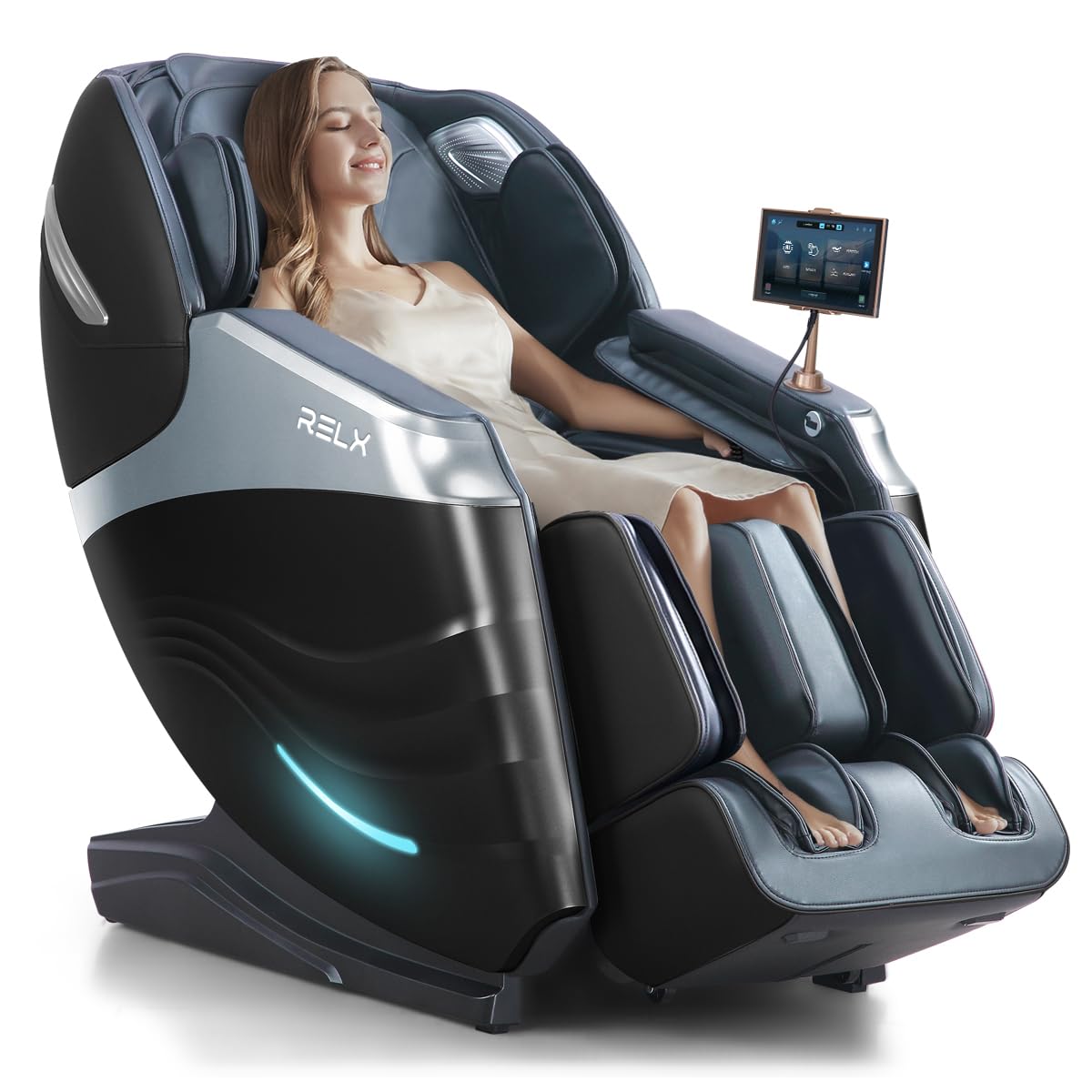
RELX Massage Chair Full Body, 20 Modes Zero Gravity SL-Track Shiatsu Massage ...
$1,899.99
Check Price on Amazon →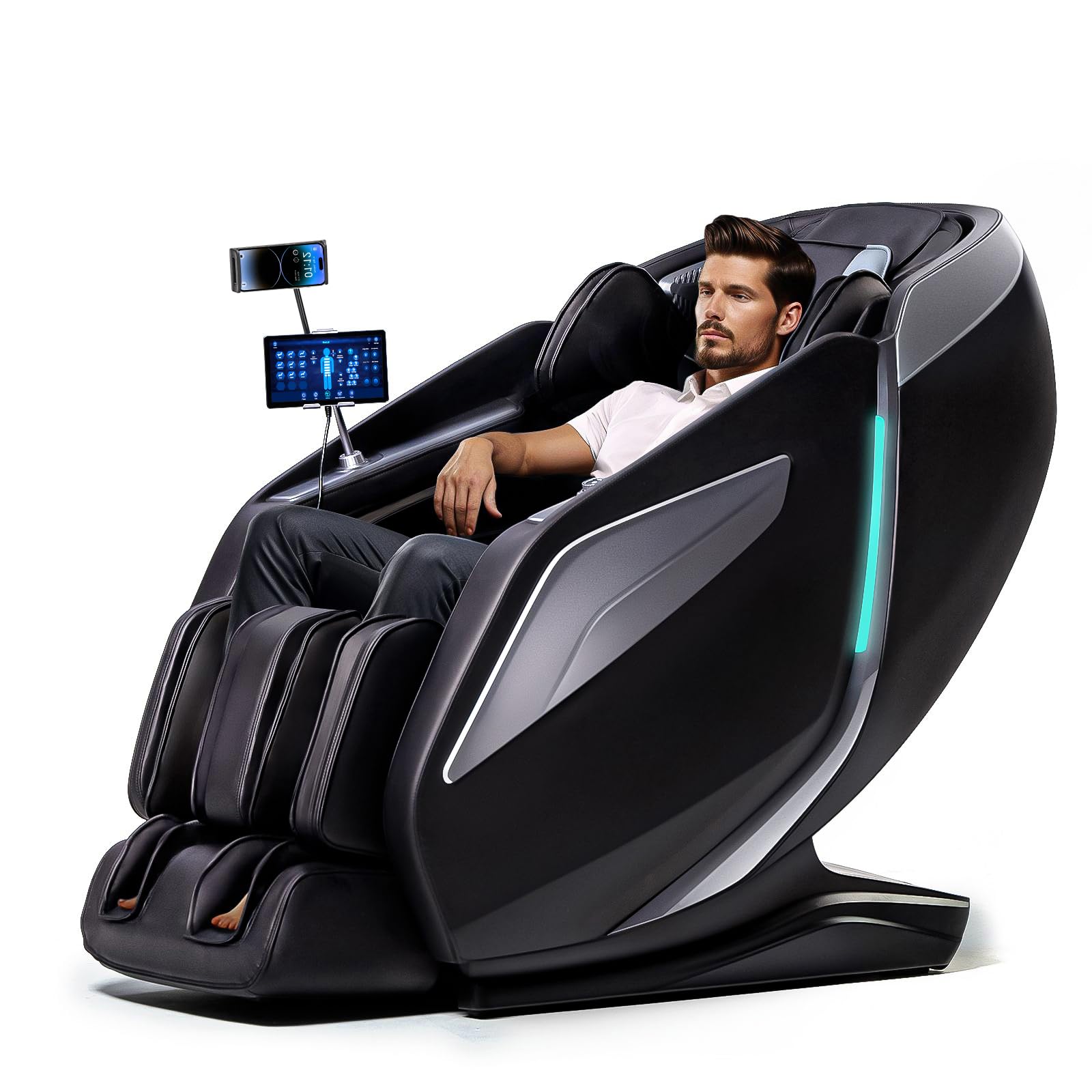
HealthRelife 4D Massage Chair Full Body Zero Gravity Recliner - 55“ SL-Track,...
$1,699.00
Check Price on Amazon →The Data-to-Decision Framework: What Federal Research Actually Tells Us
Pull back from the product specifications and the picture that federal data paints is sobering. BLS workers' compensation and employer cost data shows that industries with documented high MSD frequency carry the highest workers' compensation insurance premiums—a market signal that actuaries have priced the risk that individual nurses often underestimate about their own careers. The OSHA Severe Injury Reports database documents thousands of serious work-related injuries annually across U.S. industry, and healthcare contributes a disproportionate share of the musculoskeletal entries relative to its workforce size.
The trajectory from occupational fatigue to chronic pain to functional limitation to career disruption is well-documented in federal surveillance data. It is also, at the individual level, substantially interruptible—if the intervention happens early and consistently. The nurses who manage 30-year careers at the bedside without career-ending back injuries are not simply lucky. They have, whether consciously or by habit, adopted the recovery practices that federal biomechanical research supports: consistent movement, proper mechanics, active recovery, and early clinical attention when symptoms cross the red-flag threshold.
A massage chair is one tool in that framework. It is not the foundation—the foundation is mechanics, movement, and clinical vigilance. But for a nurse who has the foundation in place and is looking for a consistent, low-friction recovery modality that can be accessed at 11 p.m. after a night shift without scheduling an appointment or driving anywhere, a quality massage chair is a rational, evidence-anchored investment. The federal data on the cost of chronic back pain—from AHRQ MEPS on personal healthcare expenditures to CMS drug spending data on pain medication costs—makes the economic case as clearly as the biomechanical case.
Healthcare workers have spent the past several years being told their wellbeing is a priority. The federal injury data suggests the opposite has been operationally true. The least healthcare workers can do is take their own recovery as seriously as they take their patients' care.